




Do you clench or grind your teeth during the day or while sleeping? Do you wake up with a tired, tense, or sore jaw? Dr. Veronika Strauchs specializes in the diagnosis and treatment of craniomandibular dysfunction and bruxism, including the planning and fitting of custom-made occlusal splints.

What is bruxism?
Bruxism involves activity of the masticatory muscles that can overload the masticatory system and is associated with various forms of discomfort.
Bruxism can manifest as:
- Tooth clenching
- Tooth grinding
- Increased tension in the masticatory muscles
- Overload of the masticatory system
- Tooth wear
- TMJ or ear pain
- Tinnitus
It can occur during sleep or while awake and may present alongside other functional jaw disorders.
Therefore, diagnosis is not limited to examining the teeth but also includes an assessment of the temporomandibular joint, musculature, bite, and jaw function.
Bruxism can also occur in the context of craniomandibular dysfunction (CMD); consequently, both conditions may require a combined assessment.
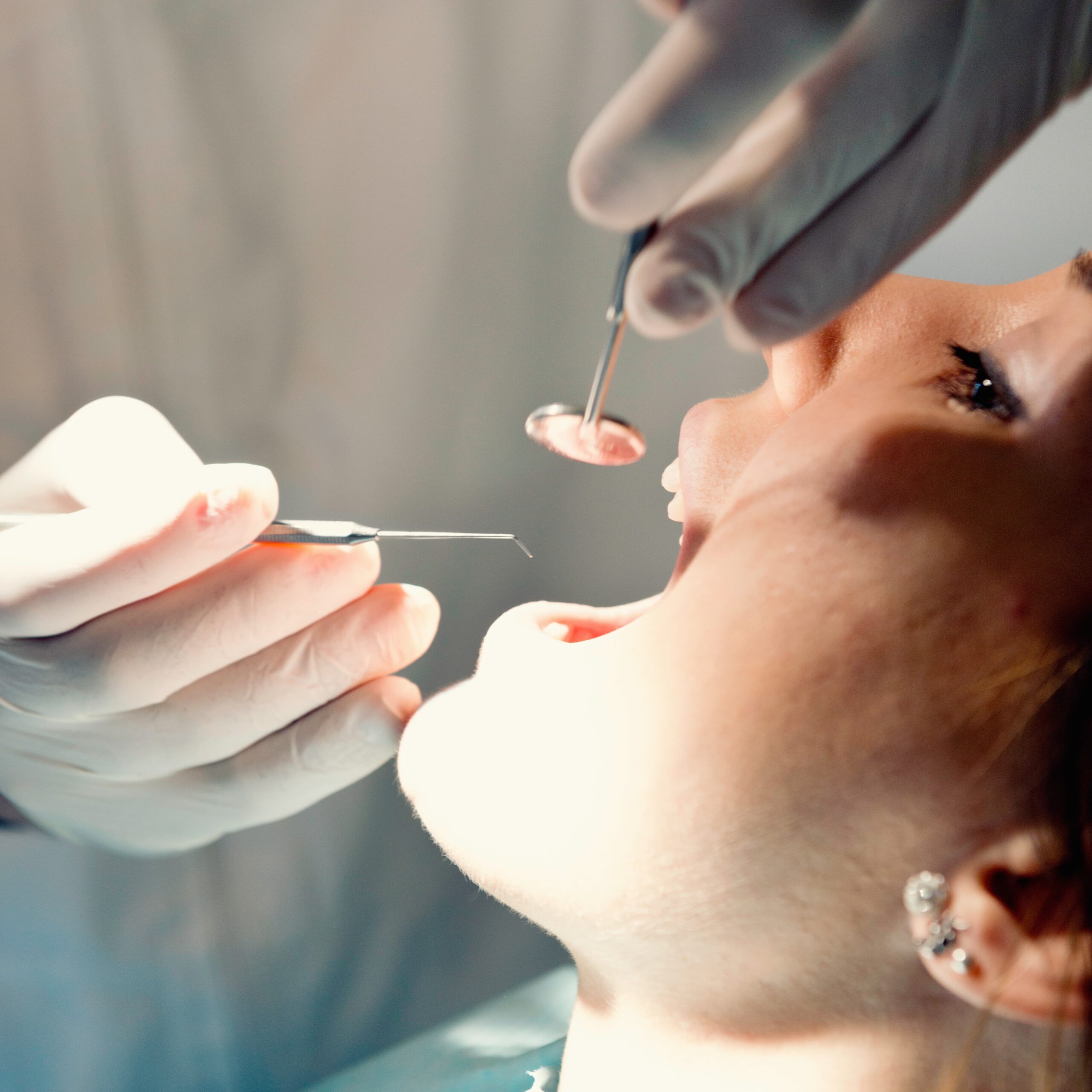
Diagnostic in Bruxism
To determine the appropriate treatment, the doctor conducts an individual assessment that includes the patient’s medical history and a functional examination.
The following are evaluated:
- Temporomandibular joints
- Masticatory muscles
- Teeth
- Occlusion
- Mandibular movements
- Individual symptoms and discomfort
- Potential overloading and functional relationships
The goal is to understand the functioning of the masticatory system and establish a treatment tailored to the findings.
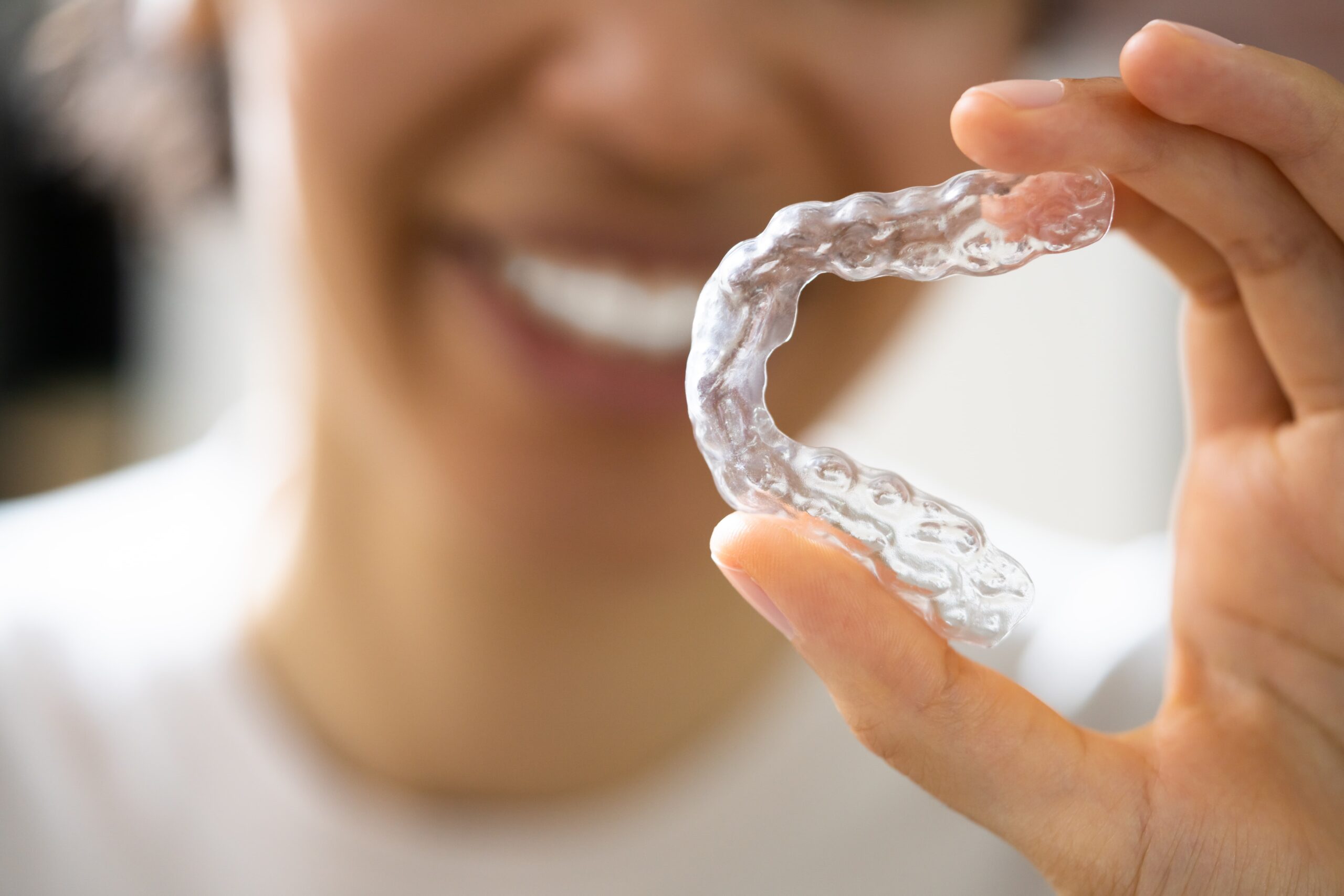
Therapy of Bruxism with occlusal splints
One therapeutic option is a custom-made occlusal splint, also known as a stabilization splint.
Depending on the clinical indication, it can help to:
- Relieve strain on the masticatory system
- Promote muscle relaxation
- Stabilize the functional status of the joint
- Protect teeth against specific types of excessive loading
The splint is designed and fitted based on the patient’s individual needs.
Not all splints serve the same purpose. Therefore, before fabricating a splint, it is important to establish a diagnosis and determine the appropriate type of device.
Follow-up and adjustment. Fitting a splint does not end with its delivery; the splint is individually adjusted during follow-up appointments as needed.

When do you should book an appointment?
An assessment may be recommended if you:
- Clench or grind your teeth
- Wake up with a tired or sore jaw
- Experience pain or tension in the jaw area
- Notice tooth wear or sensitivity
- Feel discomfort in your temples
- Have a jaw that clicks or pops
- Notice changes in your bite
- Experience recurring discomfort related to your teeth or dental restorations
A functional assessment helps determine whether there is a disorder of the masticatory system and what treatment might be appropriate.
Make an appointment